From Design to Maintenance: Full-Service Landscaping Offerings and Their Perks
Landscaping services play an essential role in improving exterior environments. They cover everything from the earliest design phases to continuous upkeep. Professional landscaping can substantially elevate a property's beauty and market value. Additionally, it fosters a connection between nature and architecture. That said, the procedure demands meticulous organization and assessment of numerous components. Understanding how each component contributes to a successful landscape can reveal surprising benefits that may not be immediately apparent.
The Value of Landscaping
Landscaping is a key factor in elevating both the visual appeal and functional importance of a property. A carefully crafted landscape not only harmonizes with the architecture but also cultivates an appealing atmosphere that can enhance the overall impression for occupants and visitors alike. Carefully positioned plants, trees, and walkways can enhance outdoor functionality, creating areas for leisure and unwinding.
In addition, well-planned landscaping supports environmental sustainability. Indigenous plant species help minimize water usage and encourage biodiversity, while thoughtfully situated trees deliver shade, which in turn lowers energy costs. For commercial spaces, attractive landscaping can enhance brand image, attracting more customers and increasing property value.
Furthermore, a well-kept landscape can deter pests and reduce erosion, cultivating a more sustainable environment. At its core, the value of landscaping goes far beyond simple aesthetics; it serves as a essential component in creating functional, sustainable, and visually appealing outdoor spaces that meaningfully influence both homeowners and the wider community alike.
How the Design Process Converts Vision Into Reality?
A effective design workflow transforms imaginative concepts into tangible landscapes that improve property value. This undertaking is initiated by recognizing the homeowner's wishes, priorities, and the unique characteristics of the property. Skilled designers conduct site assessments, considering aspects such as natural light, ground conditions, and runoff characteristics, which are vital for establishing a useful and beautiful landscape.
In the next phase, design experts leverage sketches and digital tools to create visual representations of ideas, providing clients with a glimpse of possible layouts and functionalities. This collaborative phase encourages feedback, confirming that the final design matches the client's expectations.
Once the design is finalized, detailed plans are developed, outlining materials and construction methods. This meticulous preparation sets the stage for a seamless installation process.
Fundamentally, the design process not only transforms ideas into reality but also fosters insightful guide a sense of ownership in property owners, enhancing their connection to the newly established outdoor landscape.
Finding the Ideal Plants for Your Landscape
How can one select the most suitable plants for a landscape? The process of selection starts with gaining knowledge of the local climate and soil conditions. Different plants thrive in varying environments, so knowledge of hardiness zones and soil pH is vital. In addition, evaluating sunlight exposure—including full sun, partial shade, or full shade—is instrumental in determining the most suitable species.
Another important factor is the purpose of the landscape design. For instance, ornamental plants may enhance aesthetic appeal, while indigenous plants can support biodiversity and demand minimal upkeep. It's also necessary to consider the development habits and proportions of plants to ensure they integrate seamlessly into the area.
Finally, considering year-round visual appeal—by way of flowers, foliage, or bark—allows for a visually engaging garden year-round. When these aspects are brought together, one can create a garden that is not only beautiful but also sustainable and functional.
Ways Hardscaping Improves Your Landscape Design?
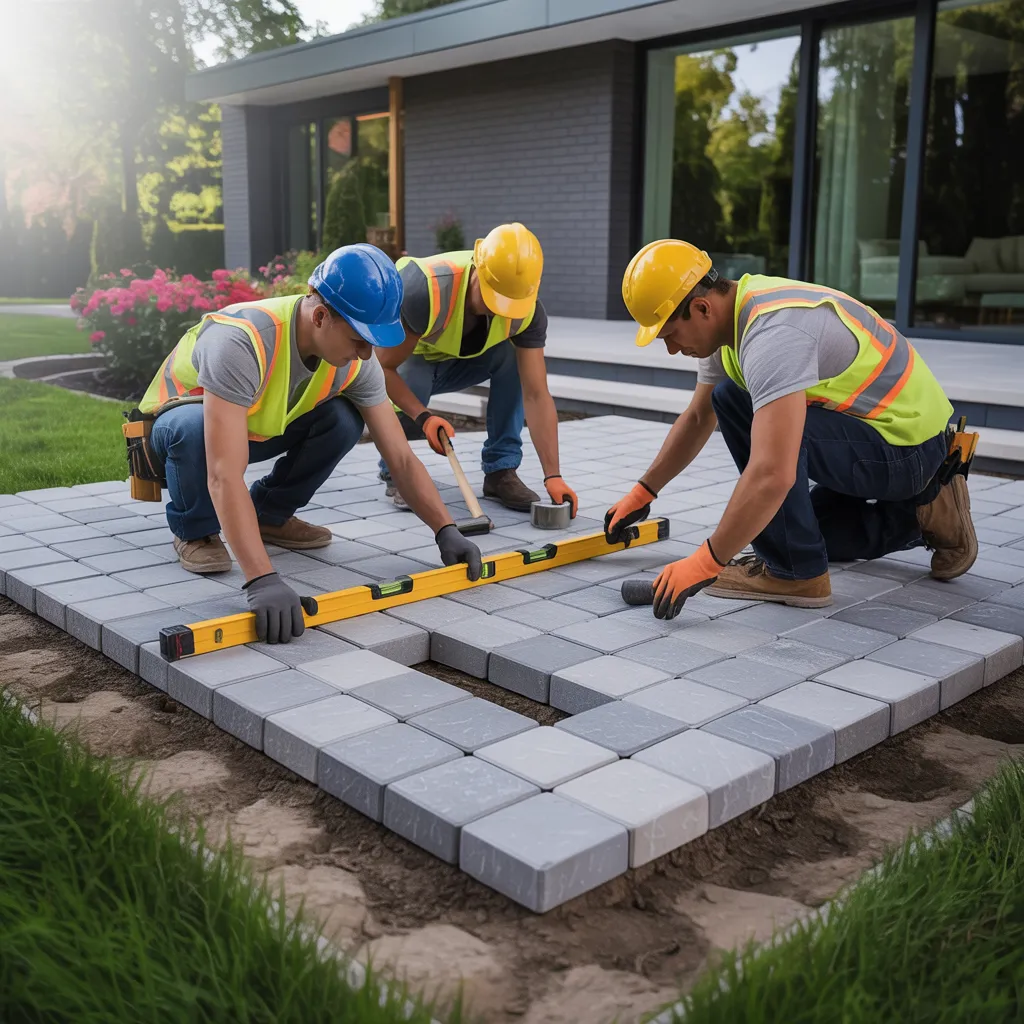
Integrating hardscaping components such as retaining walls, patios, and walkways significantly enhances the design of a landscape. Such elements provide functionality and structure, interrupting the organic components of a garden while improving the overall aesthetic. Patios create appealing outdoor environments for entertainment and relaxation, seamlessly blending interior and exterior living spaces. Walkways guide guests through the yard, guaranteeing visual flow and ease of access, while also minimizing soil erosion. A retaining wall offers both structural support and aesthetic value, enabling tiered gardens that optimize planting space in areas with slopes.
In addition, materials used in hardscaping such as stone, brick, and concrete contribute texture and lasting strength, enhancing the natural qualities of plants. This blend cultivates a harmonious environment, producing a seamless blend of hard and soft features. In the end, hardscaping not only enhances the aesthetic appeal of a landscape but also boosts its practicality, rendering outdoor areas more pleasant and useful for everyone.
How to Keep Your Landscape Healthy Year Round?
Maintaining a lush landscape across all seasons requires regular upkeep and dedication. Shifts in seasons can significantly affect plant health, making it essential to customize upkeep methods based on seasonal demands. Frequent hydration, especially during periods of drought, ensures plants stay properly hydrated. Mulching helps retain moisture and suppress weeds, while timely pruning promotes vigorous growth and blooming.
Fertilization should be adjusted based on specific plant needs and seasonal cycles. Throughout the spring season, applying a balanced fertilizer supports plant growth, while autumn applications help condition plants for the winter months. Moreover, regularly checking for pests and diseases is vital; catching problems promptly can stop widespread harm from occurring.
Weeding must be carried out on a consistent basis, as it reduces nutrient and water competition among plants. Additionally, introducing native plant species can improve durability, as such species thrive naturally in regional conditions. By following these guidelines, homeowners can enjoy a flourishing landscape that continues to look beautiful and remain healthy year-round.
Ways Landscaping Services Enhance Property Value?
While various aspects impact a property's overall value, expert landscaping solutions serve a critical function in improving curb appeal and market value. A professionally designed outdoor space not only generates an appealing setting but also reflects careful maintenance, indicating to prospective buyers that the property has been well cared for. Features such as trimmed lawns, carefully situated trees, and lively floral arrangements can significantly enhance initial impressions.
Furthermore, landscaping has the ability to expand practical outdoor living areas, making properties highly suitable for gatherings and recreational activities. Effective landscaping can also improve overall energy performance by creating shade and minimizing temperature control expenses. Studies have shown that homes featuring professional landscaping can achieve a return on investment of up to 15% greater than those that lack professional landscaping. Overall, investing in landscaping services is a smart investment that can generate meaningful long-term financial returns for those looking to maximize the value of their property.
How Landscaping Services Support Sustainability?
Landscaping providers play a fundamental role in advancing environmental sustainability through the deliberate application of native plant species and cutting-edge water conservation methods. By utilizing native plant varieties, these services enhance biodiversity while reducing the need for chemical fertilizers and pesticides. Furthermore, effective water management practices help to limit unnecessary water consumption, ensuring that landscapes thrive with minimal environmental impact.
Native Plant Usage
Incorporating native plants in landscape design acts as a foundation for advancing sustainable practices within surrounding natural environments. By incorporating indigenous flora, landscaping professionals boost ecological diversity, enabling indigenous plants to flourish in harmony with native fauna. This approach minimizes the reliance on chemical fertilizers and pesticides, as native plants are well-adapted to local soil and climate conditions. Furthermore, they often require less maintenance, reducing the strain on operational resources and workforce. Horticultural professionals who champion native flora support soil integrity and guard against land degradation, nurturing a sustainable and durable landscape. Additionally, indigenous flora can combat urban heat islands and elevate air standards, establishing more livable neighborhoods. At its core, incorporating native flora enhances the environment while championing ecological equilibrium and lasting environmental stewardship.
Water Preservation Strategies
Proper water conservation methods are fundamental to sustainable landscaping practices. Professional landscaping services advance sustainability through methods like drip irrigation and rainwater harvesting. Drip irrigation systems supply water straight to plant roots, reducing evaporation and runoff. Moreover, skilled landscapers commonly design rain gardens that collect excess rainwater, minimizing the reliance on supplemental irrigation. Mulching serves as an additional method used to preserve soil moisture and control weeds, further improving water efficiency. By selecting drought-resistant plants, landscaping services can create vibrant, low-water landscapes that thrive in various climates. These practices not only conserve water but also contribute to lower utility costs and healthier ecosystems, ensuring that landscapes remain sustainable and resilient in the face of changing environmental conditions.

Questions You May Have
What Qualifications Should I Consider When Choosing a Landscaping Service Provider?
When picking a landscaping service provider, it is important to prioritize key criteria such as certifications, experience, portfolio quality, customer reviews, and knowledge of local flora. These qualities confirm professionalism, expertise, and a commitment to quality landscaping services.
What Is the Average Duration of a Typical Landscaping Project?
A typical landscaping project can take anywhere from a few days to several weeks, based on the complexity, size, and unique requirements of the project. Variables including weather patterns and the availability of materials may further impact the project's timeframe.
What Is the Standard Cost of Complete Landscaping Services?
The typical cost of full-scale landscaping services commonly falls from $3,000 to $15,000, subject to project complexity, materials used, and location. Homeowners ought to evaluate their individual needs and financial budget when preparing for such projects.
Can Landscaping Services Help With Local Climate Considerations?
Professional landscaping solutions can effectively address local climate considerations by choosing appropriate vegetation, implementing efficient irrigation systems, and planning areas that support natural temperature control. This personalized method encourages green spaces that flourish under particular weather patterns.
What Warranties or Guarantees Are Available for Landscaping Work?
Several lawn care providers supply guarantees or warranties on their craftsmanship, guaranteeing customer satisfaction. These commitments typically include workmanship, plant survival, and materials, differing based on service provider and project scope, thereby instilling confidence in clients.